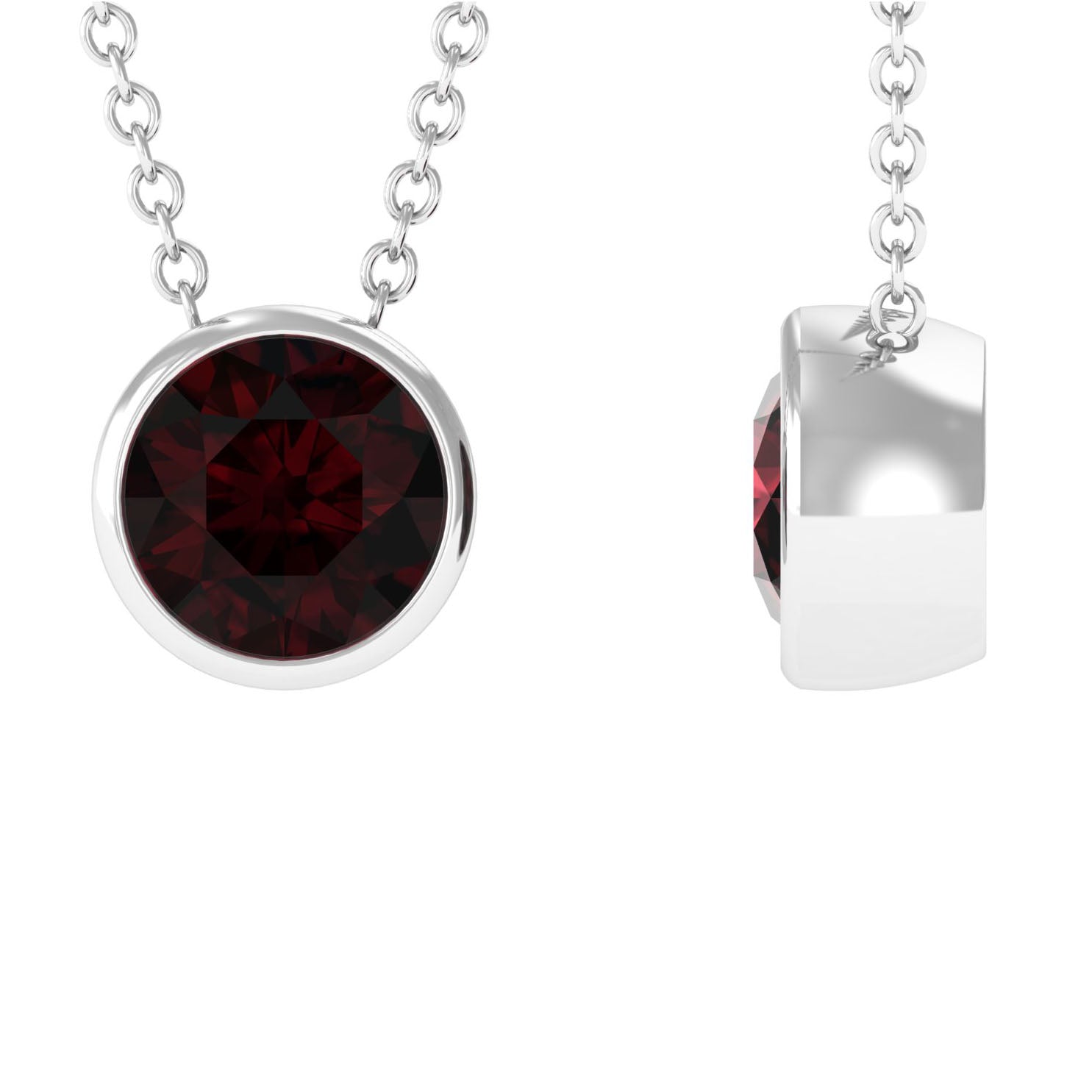

Emerald vs sapphire: which gemstone should you choose? Sapphire is generally the better choice for an engagement ring worn every day because it offers greater scratch resistance and typically better toughness. Emerald is a beautiful option if you love rich green gemstones and are comfortable giving your jewelry extra care. Neither gemstone is automatically more expensive or rarer: the answer depends on quality, size, treatments, and origin.
Both gemstones have been admired for centuries, but choosing between them involves more than deciding whether you prefer green or blue. In this guide, we compare emerald and sapphire by color, hardness, durability, price, rarity, clarity, treatments, and suitability for engagement rings to help you find the perfect gemstone.
Emerald vs Sapphire: Quick Comparison
Before exploring their individual characteristics, let's look at the major differences between emerald and sapphire.
|
Quick verdict: Sapphire is generally more practical for frequently worn rings, while emerald stands out for its distinctive green beauty. Your ideal choice depends on your personal style, budget, and willingness to maintain the gemstone.
What Is the Difference Between Emerald and Sapphire?

The most fundamental difference between emerald and sapphire lies in their mineral composition, color, and physical properties.
Emerald: The Green Variety of Beryl
Emerald belongs to the beryl mineral family and is recognized for its beautiful green color. Trace elements, particularly chromium and sometimes vanadium, contribute to its characteristic appearance.
Fine emeralds often display attractive pure green or bluish-green hues with desirable saturation. Their value depends on the balance of color, transparency, cut, and other quality characteristics.
Natural emeralds frequently contain internal features called inclusions. These may create a garden-like appearance commonly known as jardin.
Sapphire: The Colorful Variety of Corundum
Sapphire belongs to the corundum mineral family and consists primarily of aluminum oxide.
Although blue sapphire is the most familiar variety, sapphires also occur in pink, yellow, green, purple, orange, and colorless varieties. Red corundum is classified as ruby rather than sapphire.
Blue sapphire gets its color primarily from trace amounts of iron and titanium. The quality of a sapphire depends on factors such as color, clarity, cut, size, and treatment history.
Which looks better? Choose emerald if you prefer a rich green gemstone. Choose blue sapphire if you admire elegant blue hues, or explore fancy-colored sapphires if you prefer a different color.
Emerald vs Sapphire Hardness: Which Is More Durable?

One of the most important differences between emerald and sapphire is their hardness.
Emerald Hardness
Emerald measures approximately 7.5 to 8 on the Mohs hardness scale. This makes it reasonably resistant to scratching, but its natural inclusions and fractures can make it vulnerable to damage from sharp impacts.
Emerald rings can be worn regularly, but they require thoughtful handling, particularly during physical activities.
Sapphire Hardness
Sapphire measures 9 on the Mohs hardness scale, making it one of the hardest naturally occurring gemstone minerals commonly used in jewelry.
It generally offers better scratch resistance than emerald and is widely regarded as a practical choice for engagement rings and frequently worn jewelry.
Important: Hardness measures resistance to scratching, not resistance to breaking. Even a sapphire can chip or fracture if struck forcefully.
Which Gemstone Is Better for Everyday Wear?
- Sapphire: Generally more suitable for daily wear because of its higher hardness and good toughness.
- Emerald: Suitable for people who love its appearance and are willing to take extra precautions.
- Both gemstones: Benefit from protective settings, regular jewelry inspections, and careful storage.
If you lead an active lifestyle or rarely remove your engagement ring, sapphire is usually the more practical option.
Emerald vs Sapphire Price: Which Is More Expensive?

One of the most common questions buyers ask is whether emeralds cost more than sapphires.
Neither gemstone is universally more expensive. Prices vary substantially depending on the characteristics of the individual stone.
An exceptional emerald can cost considerably more than many sapphires, while an exceptional untreated sapphire can be worth more than many emeralds.
Factors That Affect Emerald and Sapphire Prices
- Color: Attractive hue, tone, and saturation are important value factors for both gemstones.
- Clarity: Visible inclusions can influence appearance and value, although clarity expectations differ between emeralds and sapphires.
- Carat weight: Larger stones with exceptional quality can command substantial premiums.
- Cut: A well-executed cut improves the gemstone's appearance and visual appeal.
- Treatments: Untreated stones may command premiums, depending on their other qualities.
- Origin: Certain documented geographic origins can influence market value.
- Natural or lab-grown: Natural and lab-grown gemstones should be evaluated within their respective categories.
Are Emeralds More Expensive Than Blue Sapphires?
Not necessarily. A high-quality emerald with attractive color and limited clarity enhancement may command a premium, but fine untreated blue sapphires can also be extremely valuable.
Instead of comparing broad price claims, evaluate gemstones with similar size, visual quality, treatment status, and documentation.
Buying tip: When comparing finished rings, consider the total price, including the gemstone, metal, craftsmanship, accent stones, and setting.
Which Is Rarer: Emerald or Sapphire?
Both emeralds and sapphires can be rare, especially when they exhibit exceptional color, clarity, size, and limited or no treatment.
However, it is inaccurate to claim that every emerald is rarer than every sapphire.
Rarity of Emeralds
Fine natural emeralds with vivid green color, good transparency, and little or no clarity enhancement are uncommon.
Large emeralds combining desirable color with excellent transparency can be particularly difficult to find.
Rarity of Sapphires
Exceptional untreated sapphires are also uncommon. Fine padparadscha sapphires and certain high-quality blue sapphires from historically prized sources can command significant interest among collectors.
The rarity of an individual sapphire depends on its color, size, quality, treatment status, and other characteristics.
Verdict: Neither gemstone can be declared universally rarer without specifying the exact quality and type being compared.
Emerald vs Sapphire Clarity and Treatments

Emerald Clarity and Inclusions
Natural emeralds frequently contain inclusions, fractures, and other internal characteristics. These are sometimes collectively described as the gemstone's jardin.
Inclusions do not automatically make an emerald undesirable. Many beautiful emeralds contain visible internal features.
However, fractures extending toward the surface can affect a stone's durability and should be considered when selecting jewelry.
Common Emerald Treatments
Many emeralds undergo fracture filling with oil or resin to reduce the visibility of surface-reaching fractures and improve apparent clarity.
The type and extent of treatment are important because they can affect the gemstone's appearance, value, and care requirements.
Fracture filling should not be presented as a guarantee that an emerald becomes structurally stronger.
Sapphire Clarity and Inclusions
Natural sapphires may contain mineral crystals, rutile needles, growth features, and other inclusions.
Some sapphires appear eye-clean, meaning inclusions are not easily visible to the unaided eye under normal viewing conditions.
The position, size, and visibility of inclusions can influence quality and price.
Common Sapphire Treatments
Heat treatment is widely used to improve the appearance of sapphires, particularly their color and sometimes clarity.
Other treatments, including diffusion or fracture filling, may have different effects on gemstone value and care requirements.
Before purchasing either gemstone, ask the seller about treatments and request appropriate documentation when necessary.
Natural vs Lab-Grown Emerald and Sapphire
Emeralds and sapphires are available in both natural and lab-grown varieties.
Natural gemstones form through geological processes, while lab-grown gemstones are created in controlled environments.
Lab-grown emerald and sapphire have the corresponding mineral's essential chemical and physical properties, but their formation origin is different.
They should not be confused with imitation gemstones, such as colored glass.
When comparing prices, always confirm whether a gemstone is natural, lab-grown, or simulated. These categories can have substantially different market values.
Emerald vs Sapphire Engagement Rings: Which Should You Choose?

Both gemstones can create beautiful engagement rings, but the ideal choice depends on your lifestyle, design preferences, and expectations for everyday wear.
Why Choose an Emerald Engagement Ring?
Emerald engagement rings are admired for their distinctive green color and elegant appearance.
They work particularly well with vintage-inspired, nature-inspired, solitaire, halo, and three-stone designs.
An emerald engagement ring may suit you if:
- You love deep green gemstones.
- You prefer a distinctive alternative to a traditional diamond ring.
- You appreciate vintage-inspired or romantic jewelry designs.
- You are comfortable removing your ring during physical activities.
- You are willing to follow additional gemstone care precautions.
Explore our collection of emerald engagement rings to discover different gemstone shapes and ring designs.
Why Choose a Sapphire Engagement Ring?
Sapphire engagement rings are popular for their beautiful colors, excellent scratch resistance, and suitability for frequent wear.
Blue sapphires are especially admired for their classic appearance, but other sapphire colors offer additional design choices.
A sapphire engagement ring may suit you if:
- You want a gemstone suitable for frequent wear.
- You prefer classic blue gemstones or other sapphire colors.
- You want a distinctive alternative to a diamond engagement ring.
- You value durability and comparatively straightforward maintenance.
- You enjoy classic, vintage, or contemporary ring designs.
Explore our blue sapphire engagement rings to compare different settings and designs.
Emerald or Sapphire: Which Is Better for an Engagement Ring?
Sapphire is generally the more practical choice for everyday engagement rings because its higher hardness and typically good toughness make it more resistant to ordinary wear.
However, emerald is an excellent option for someone who particularly loves its green appearance and understands the importance of careful handling.
For either gemstone, choose a well-made ring setting that secures and protects the stone.
How to Care for Emerald and Sapphire Jewelry

Proper cleaning and storage help preserve the beauty and condition of gemstone jewelry.
How to Clean Emerald Jewelry
- Use lukewarm water and a small amount of mild soap.
- Clean gently with a soft cloth or very soft brush.
- Avoid vigorous scrubbing around fractures or delicate settings.
- Rinse gently and dry with a clean, lint-free cloth.
- Avoid ultrasonic cleaners, steam cleaning, harsh chemicals, and excessive heat.
Because many emeralds contain clarity-enhancing fillings, aggressive cleaning methods may damage or alter these treatments.
How to Clean Sapphire Jewelry
- Use warm water and mild soap for ordinary cleaning.
- Gently remove dirt with a soft brush or cloth.
- Rinse and dry using a soft, clean cloth.
- Check regularly that the gemstone and setting remain secure.
- Seek professional advice before ultrasonic or steam cleaning, especially if the sapphire's treatment history is unknown.
Some untreated and heat-treated sapphires can tolerate additional cleaning methods, but filled, dyed, or otherwise treated stones may require more careful handling.
Storage tip: Store gemstone jewelry separately to prevent rubbing, scratches, and damage to the metal settings.
Emerald vs Sapphire Meaning and Symbolism
Beyond their appearance and physical properties, emeralds and sapphires have held symbolic meaning in different cultures and traditions.
What Does Emerald Symbolize?
Emerald has traditionally been associated with renewal, growth, love, hope, and harmony.
Its rich green color is often connected with nature and new beginnings.
Emerald is also the traditional birthstone for May.
What Does Sapphire Symbolize?
Sapphire has historically been associated with loyalty, wisdom, sincerity, truth, and royalty.
Blue sapphire is particularly well known for its associations with faithfulness and commitment.
Sapphire is the traditional birthstone for September.
Emerald and Sapphire in Astrology
Some astrological traditions associate emerald with zodiac signs such as Taurus and Gemini.
Blue sapphire also has symbolic associations within several astrological traditions, although the recommended zodiac signs and planetary relationships differ between belief systems.
These are cultural and spiritual associations rather than scientifically demonstrated effects. There is no reliable scientific evidence that wearing emerald or sapphire guarantees financial success, improved health, or changes in personality.
How to Choose Between Emerald and Sapphire: Buying Checklist
Before purchasing an emerald or sapphire ring, consider the following factors.
- Color preference: Decide whether you prefer emerald green, sapphire blue, or another sapphire color.
- Daily wear: Sapphire is generally a more practical option for an active lifestyle.
- Budget: Compare gemstones with similar quality characteristics rather than relying only on gemstone names.
- Clarity: Examine visible inclusions and how they affect the stone's beauty.
- Treatments: Confirm whether the gemstone has been heated, fracture-filled, or otherwise enhanced.
- Gemstone origin: Verify whether the stone is natural, lab-grown, or simulated.
- Ring setting: Consider secure prongs, bezels, and settings that protect vulnerable gemstone edges.
- Documentation: For significant purchases, consider an independent gemological report.
- Jewelry care: Make sure the gemstone's maintenance requirements match your lifestyle.
The best gemstone is not necessarily the hardest, most expensive, or rarest. It is the one that suits your preferences, practical needs, and budget.

Frequently Asked Questions About Emerald vs Sapphire
1. Is emerald better than sapphire?
Neither gemstone is universally better. Sapphire offers greater scratch resistance and is generally more practical for frequently worn jewelry. Emerald is an attractive choice for buyers who love green gemstones and are prepared to give them extra care.
2. Which is more expensive, emerald or sapphire?
Either gemstone can be more expensive depending on quality, color, clarity, size, treatments, and origin. There is no universal price-per-carat rule that makes every emerald more expensive than every sapphire or vice versa.
3. Which gemstone is harder: emerald or sapphire?
Sapphire measures 9 on the Mohs hardness scale, while emerald measures approximately 7.5 to 8. Sapphire therefore has greater scratch resistance.
4. Can you wear an emerald ring every day?
Yes, an emerald ring can be worn regularly with appropriate precautions. Remove it during sports, heavy lifting, gardening, and activities that could expose the gemstone to hard impacts or harsh chemicals.
5. Is sapphire better than emerald for an engagement ring?
Sapphire is generally more practical for everyday engagement rings due to its greater hardness and good toughness. Emerald remains a beautiful option for someone who prefers its green color and understands its care requirements.
6. Are emeralds rarer than sapphires?
Not necessarily. Exceptional emeralds and certain exceptional sapphires can both be rare. Their rarity depends on quality, size, color, treatments, and other individual characteristics.
7. How can I tell whether an emerald or sapphire is natural?
Ask the seller to disclose whether the gemstone is natural, lab-grown, or simulated. For a significant purchase, an independent gemological laboratory report can help establish gemstone identity and may identify detectable treatments. A seller-issued authenticity certificate is not necessarily equivalent to an independent laboratory report.
Final Verdict: Emerald or Sapphire?
Choosing between emerald and sapphire ultimately depends on what matters most to you.
Choose emerald if you love rich green color, appreciate distinctive gemstone character, and are comfortable taking extra care of your jewelry.
Choose sapphire if you prioritize scratch resistance, frequent wear, and a wider selection of gemstone colors.
Both gemstones can make meaningful and beautiful jewelry. Before purchasing, compare the actual stone's appearance, clarity, treatment history, setting, and documentation rather than relying on broad claims about rarity or price.
By understanding their differences, you can choose the gemstone that best matches your lifestyle and personal style.
Explore More Gemstone Guides
Want to learn more before choosing your jewelry? Explore our emerald gemstone education guide and blue sapphire gemstone guide.
You may also enjoy reading Emerald vs Peridot: Which Gemstone Should You Choose?
Gemstone References
For additional independent information about gemstone care, read the Gemological Institute of America's Emerald Care and Cleaning Guide and Sapphire Care and Cleaning Guide.