
Yes, you can wear citrine gemstones every day. Citrine ranks 7 on the Mohs hardness scale and has good toughness, making it a practical choice for everyday jewelry, including rings, earrings, necklaces, and bracelets. However, citrine is not scratch-proof or damage-proof. Its beauty can be affected by strong impacts, sudden temperature changes, harsh chemicals, and prolonged exposure to intense light.
Whether you love citrine for its warm golden-yellow color, its traditional association with prosperity, or its significance as a November birthstone, understanding how to protect it will help you enjoy your jewelry for years.
In this guide, we'll explain whether citrine is durable enough for daily wear, which jewelry styles are most practical, how to select a protective ring setting, when to remove your jewelry, and how to clean and care for citrine safely.
Quick Answer: Is Citrine Good for Everyday Wear?
Yes. Citrine is durable enough for regular jewelry use when properly cared for. For frequently worn rings, choose a secure setting such as a bezel or a well-designed prong setting. Remove citrine jewelry before heavy exercise, household cleaning, swimming, or activities involving physical impacts. Clean it gently with warm, mild soapy water and store it separately from harder gemstones.
What Is a Citrine Gemstone?
Citrine is a yellow-to-orange variety of quartz, a mineral composed of silicon dioxide. Its beautiful colors range from pale yellow and golden yellow to orange and brownish orange.
The name "citrine" is associated with the French word "citron," meaning lemon, reflecting the gemstone's characteristic yellow color.
Citrine is one of the traditional birthstones for November, alongside topaz, making it a popular choice for birthday jewelry and meaningful gifts.
Throughout history, citrine has been associated with optimism, success, creativity, and prosperity. It is sometimes called the "merchant's stone" because of its traditional connection with abundance and financial success.
These associations are cultural and spiritual beliefs rather than scientifically proven effects. While wearing citrine jewelry can have personal significance, the gemstone has not been shown to improve health, guarantee wealth, or produce specific emotional benefits.
For more interesting information about this golden gemstone, explore our guide to 8 fun facts about citrine, the November birthstone.
Can You Wear Citrine Gemstone Every Day?
Yes, citrine is suitable for everyday wear, provided you take reasonable precautions to protect it.
According to the Gemological Institute of America (GIA), citrine has a Mohs hardness rating of 7 and good toughness, making it suitable for various jewelry styles, including rings.
However, everyday wear does not mean that a gemstone can withstand every activity without damage.
Your citrine jewelry may come into contact with hard surfaces, abrasive particles, cleaning products, or sudden impacts during daily activities.
For example, wearing a citrine ring while typing or attending an event usually presents fewer risks than wearing it during weightlifting, gardening, or heavy household work.
Our recommendation: Wear citrine jewelry regularly if you love its appearance, but remove it whenever there is a significant risk of scratching, impact, or chemical exposure.
Is Citrine Durable Enough for Everyday Wear?

Before deciding whether citrine is right for your lifestyle, it helps to understand three important gemstone properties: hardness, toughness, and stability.
Citrine Hardness: 7 on the Mohs Scale
Citrine Toughness: Can It Chip or Break?
Citrine Stability: Can It Fade or Crack?
Citrine ranks 7 on the Mohs hardness scale, which measures a mineral's resistance to scratching.
This makes citrine reasonably resistant to everyday scratches, but it can still be scratched by harder materials.
For comparison, sapphire ranks 9 on the Mohs scale, while diamond ranks 10.
Because citrine belongs to the quartz family, even quartz-containing dust and sand may contribute to surface wear under certain conditions.
What does this mean for jewelry? Citrine can be used in frequently worn rings, but it may gradually develop scratches if repeatedly exposed to abrasive materials or harder gemstones.
Hardness and toughness are different properties.
Hardness measures resistance to scratching, while toughness describes resistance to breaking, chipping, or fracturing.
Citrine has good toughness, but it is not unbreakable.
A strong impact against a countertop, floor, or another hard surface may chip the gemstone or damage its setting.
Its edges and exposed corners may be particularly vulnerable, depending on the cut and design.
This is why jewelry settings play an important role in protecting citrine during everyday use.
Citrine is generally stable under normal wearing conditions, but extreme environmental conditions can cause damage.
According to GIA, abrupt temperature changes may cause citrine to fracture, and some citrine colors can fade after prolonged exposure to intense light.
This does not mean you need to avoid ordinary daylight whenever you wear your jewelry.
Instead, avoid leaving citrine jewelry for long periods in intense sunlight, on a hot windowsill, inside a hot vehicle, or near sources of excessive heat.
When you are not wearing your jewelry, store it in a cool, dry location away from direct sunlight.
Which Citrine Jewelry Can You Wear Every Day?
Citrine is suitable for different jewelry styles, but the level of risk varies depending on where the gemstone is worn.
Rings and bracelets usually experience more contact with hard surfaces than earrings or necklaces.
The following comparison can help you choose the most practical citrine jewelry for your lifestyle.
|
Can You Wear a Citrine Ring Every Day?
Yes, a citrine ring can be worn daily, but it requires more attention than jewelry that experiences fewer impacts.
Because rings are worn on the hands, they frequently come into contact with tables, doors, work surfaces, and other objects.
A secure, low-profile ring setting may help reduce accidental damage.
If you prefer understated designs, consider a simple solitaire ring with well-made prongs or a protective bezel setting.
For inspiration, explore the citrine rings collection at Rosec Jewels.
Can You Wear Citrine Earrings Every Day?
Citrine earrings are among the more practical options for everyday gemstone jewelry.
Unlike rings, earrings generally experience fewer direct impacts against hard surfaces.
Stud earrings and securely fastened drop earrings can be comfortable choices, depending on their size and construction.
To protect your earrings, avoid spraying perfume or hair products directly onto the gemstones and remove delicate designs before sleeping.
Explore our citrine earrings for different everyday and special-occasion styles.
Can You Wear a Citrine Necklace Every Day?
Yes, citrine necklaces and pendants are suitable for regular wear with proper care.
Pendants usually face fewer impacts than rings and bracelets, making them an appealing option for people who want to enjoy citrine frequently.
However, the gemstone can still be damaged if it strikes a hard surface or if the necklace is pulled forcefully.
Choose a secure pendant setting and a chain appropriate for the pendant's weight.
You can also explore citrine necklaces for different gemstone shapes and jewelry designs.
Is Citrine Suitable for Everyday Bracelets?
Citrine bracelets can be worn regularly, but they require additional care because wrists frequently come into contact with desks, furniture, and other surfaces.
If you wear a citrine bracelet during work, consider whether your daily activities involve repeated friction or accidental knocks.
A secure, comfortable bracelet design with protected gemstone settings can help reduce some of these risks.
Can Citrine Be Used in an Everyday Engagement Ring?
Yes, citrine can be used in an engagement ring, particularly for someone who loves its warm yellow-to-orange appearance.
However, an engagement ring may be worn for many years, so long-term durability matters.
Citrine is less scratch-resistant than gemstones such as sapphire or diamond, and its appearance may show signs of wear over time.
If you choose citrine for an engagement ring, consider a protective setting, avoid wearing it during physically demanding activities, and inspect the setting periodically.
Explore Rosec Jewels' citrine engagement rings for design inspiration.
Which Ring Setting Is Best for Protecting Citrine?

A well-designed jewelry setting can reduce the risk of damage to your citrine gemstone.
The best setting depends on your jewelry style, the gemstone's shape, and how frequently you plan to wear the ring.
Bezel Setting: A Protective Option for Daily Wear
Prong Setting: A Classic Everyday Choice
Channel Setting: Suitable for Smaller Citrine Stones
Low-Profile Settings: Comfortable for Everyday Activities
A bezel setting surrounds the gemstone's edge with a rim of metal.
This creates a protective barrier around the girdle and can help reduce direct contact with surrounding objects.
Bezel settings are particularly useful for people who prefer smooth, low-profile jewelry.
Because the metal surrounds the stone, this style may also be less likely to snag on clothing compared with some raised settings.
However, the exposed top surface of the gemstone can still be scratched or damaged.
Best for: People who prefer protective, practical ring designs for frequent wear.
Prong settings use small metal claws to hold the gemstone securely in place.
They allow more of the gemstone to remain visible and are common in solitaire and engagement ring designs.
A properly constructed prong setting can provide secure support, but the gemstone's edges may remain more exposed than in a full bezel setting.
Regularly inspect the prongs for looseness, bending, or wear.
Best for: Those who prefer a classic ring appearance and are comfortable with regular jewelry maintenance.
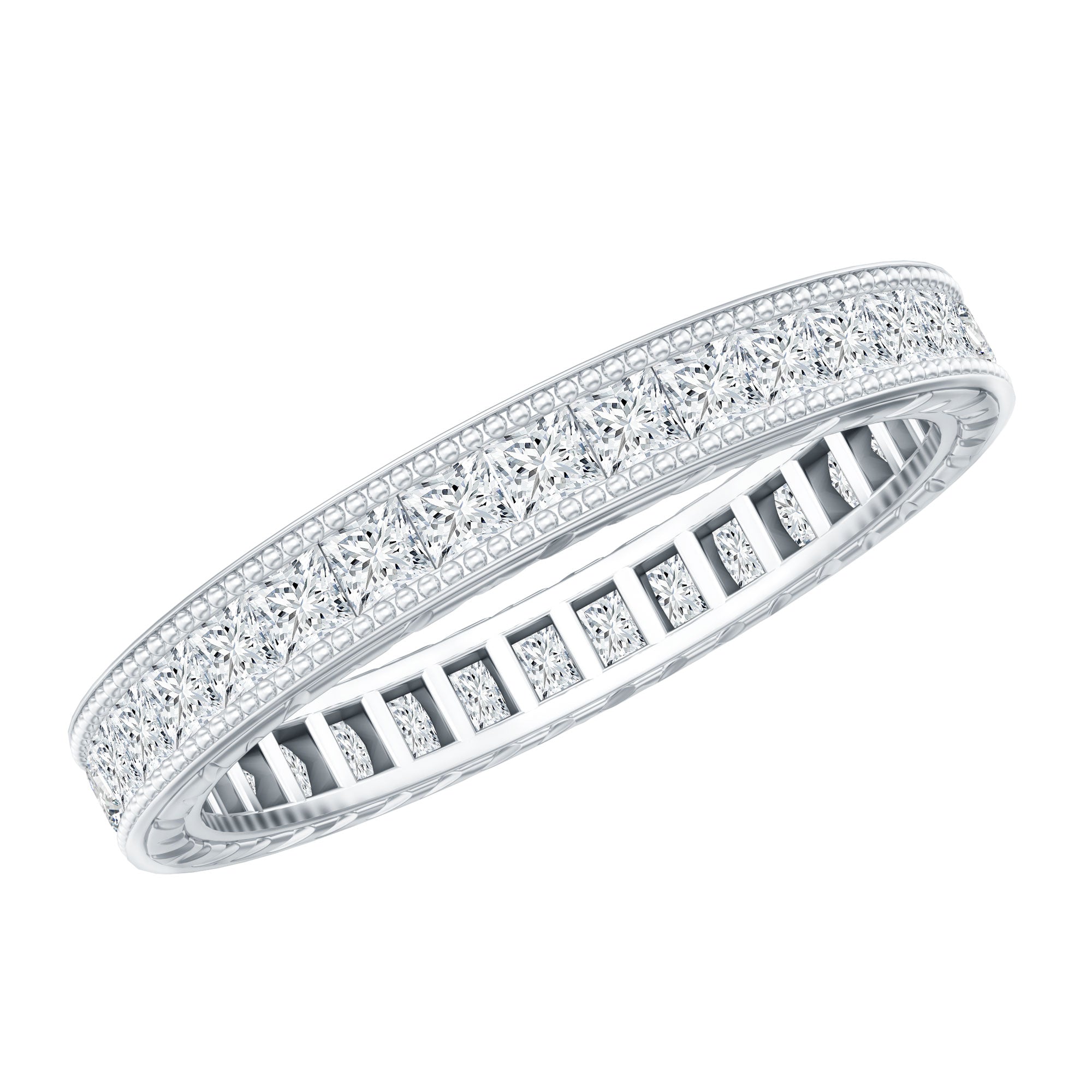
In a channel setting, smaller gemstones are placed between two continuous walls of metal.
This design can protect the edges of gemstones and create a smooth appearance along the ring band.
Channel settings are commonly used for bands featuring several smaller stones rather than one large central gemstone.
However, channel-set stones can still become damaged or loosen if the ring experiences significant impact or distortion.
Best for: Citrine bands and designs featuring smaller gemstones.
In addition to the setting type, consider how high the gemstone sits above the ring band.
A low-profile design may be less likely to catch on clothing, gloves, or surrounding objects than a tall setting.
For everyday wear, a secure low-profile ring with appropriate gemstone protection is often a practical option.
Jewelry Tip: No setting makes citrine completely scratch-proof or impact-resistant. A protective design reduces certain risks but does not eliminate the need for careful handling.
When Should You Remove Citrine Jewelry?
Although citrine can be worn daily, knowing when to remove it is important for preserving its condition.
Here are common activities during which removing your citrine jewelry is recommended.
Before Exercising or Lifting Weights
Before Swimming
Before Household Cleaning
Before Cooking Near High Heat
Before Sleeping
Before Applying Beauty and Personal Care Products
Gym equipment, weights, and other hard surfaces can scratch a gemstone, damage its setting, or bend the jewelry's metal components.
Remove citrine rings and bracelets before lifting weights, playing contact sports, or participating in strenuous activities.
It is better to remove citrine jewelry before entering a swimming pool or hot tub.
Swimming exposes jewelry to pool chemicals and creates a risk of accidental loss or damage.
Saltwater, sand, and physical activities at the beach can also contribute to unnecessary wear.
Household cleaners may contain chemicals unsuitable for gemstone jewelry, metal settings, or surface finishes.
Remove citrine rings before using cleaning products, scrubbing surfaces, or performing tasks involving abrasive materials.
Ordinary kitchen activities do not automatically damage citrine.
However, avoid exposing your gemstone jewelry to extreme heat, hot surfaces, or sudden temperature changes.
Removing rings during heavy cooking or food preparation can also help prevent grease buildup and accidental impacts.
Sleeping while wearing citrine jewelry is not automatically harmful to the gemstone.
However, delicate rings, earrings, necklaces, and bracelets can become caught in bedding or experience unnecessary pressure.
For better long-term maintenance, remove delicate jewelry before sleeping and store it safely.
Perfumes, lotions, hair sprays, and cosmetic products can leave residue on gemstones and jewelry settings.
Apply these products before putting on your jewelry and allow them to dry.
This can help maintain the gemstone's appearance and reduce cleaning frequency.
How to Clean Citrine Jewelry Safely at Home

Cleaning citrine jewelry regularly helps remove oils, dust, and everyday residue that may reduce its brilliance.
Fortunately, ordinary citrine jewelry can usually be cleaned gently at home.
GIA recommends warm, mild soapy water as a safe cleaning method for citrine.
Step-by-Step Citrine Cleaning Instructions
- Inspect your jewelry: Check for loose gemstones, damaged prongs, or visible fractures before cleaning.
- Prepare a gentle solution: Mix a small amount of mild soap with warm water.
- Clean carefully: Use a soft, clean cloth or very soft brush to remove dirt and residue.
- Rinse gently: Remove remaining soap with clean water, taking care not to lose the jewelry down a drain.
- Dry thoroughly: Pat the jewelry dry with a soft, lint-free cloth.
- Store safely: Place the jewelry in a separate soft pouch or lined compartment once it is completely dry.
These steps are suitable for ordinary, securely set citrine jewelry. Jewelry containing other gemstones, delicate materials, or special treatments may require different care.
Can You Use an Ultrasonic Cleaner for Citrine?
GIA notes that ultrasonic cleaners are usually safe for citrine, except in certain circumstances, including gemstones that have been dyed or fracture-filled.
However, an ultrasonic cleaner is not necessary for ordinary at-home maintenance.
If you are unsure about the gemstone's treatment, condition, or setting security, choose gentle hand cleaning or consult a qualified jeweler.
Can You Steam Clean Citrine Jewelry?
Steam cleaning is not recommended for citrine.
The gemstone can be vulnerable to damage from excessive heat and abrupt temperature changes.
Warm, mild soapy water is a safer routine cleaning choice.
How Often Should You Clean Citrine Jewelry?
The cleaning frequency depends on how often you wear the jewelry and how much dirt or residue it collects.
For frequently worn citrine rings, gentle cleaning when visible residue develops can help maintain their appearance.
Earrings and necklaces may need less frequent cleaning if they are exposed to fewer oils, cosmetics, or contaminants.
Avoid aggressive cleaning simply to follow a fixed schedule.
How to Store Citrine Jewelry Without Damage

Proper storage is just as important as careful wearing and cleaning.
When your citrine jewelry is not in use, follow these storage recommendations:
- Keep citrine in a soft pouch or fabric-lined jewelry box.
- Store it separately from harder gemstones such as diamonds and sapphires.
- Avoid direct contact with other jewelry pieces that could cause scratches.
- Keep the jewelry away from excessive heat and prolonged intense sunlight.
- Use separate compartments for necklaces to prevent chain tangling.
- Check rings and other settings occasionally for damage or looseness.
These simple precautions can help preserve the gemstone's polished appearance and reduce unnecessary wear.
Does Natural or Heat-Treated Citrine Affect Everyday Wear?
When shopping for citrine jewelry, you may come across descriptions such as natural citrine, heat-treated citrine, or laboratory-grown citrine.
Understanding these terms can help you make a more informed purchase.
Natural Citrine vs Heat-Treated Citrine

Natural yellow citrine is relatively uncommon compared with some other forms of quartz.
According to GIA, much of the citrine available in the jewelry market obtains its yellow-to-orange color through heat treatment of amethyst.
Heat treatment is used to enhance or produce desirable colors in suitable quartz material.
Both natural-color citrine and heat-treated quartz sold as citrine have the fundamental properties of quartz, including a Mohs hardness of approximately 7.
Therefore, heat treatment alone does not automatically make a citrine gemstone unsuitable for everyday jewelry.
However, buyers should ask sellers about treatments and ensure gemstone descriptions are accurate.
Is Laboratory-Grown Citrine the Same as Natural Citrine?
Laboratory-grown citrine quartz is produced through controlled processes rather than forming naturally underground.
Because laboratory-grown quartz can share the same essential composition and physical properties as natural quartz, appearance alone may not be enough to establish its origin.
Natural gemstones, laboratory-grown gemstones, and imitation materials should be identified accurately in product descriptions.
What Should You Check Before Buying Citrine Jewelry?
Before purchasing citrine jewelry for everyday wear, consider the following factors:
- Gemstone quality: Look for a pleasing yellow-to-orange color, attractive cutting, and a clean overall appearance.
- Setting security: Check whether the gemstone is held securely and whether exposed edges are protected appropriately.
- Jewelry design: Consider a comfortable setting that suits your activities and preferred style.
- Metal choice: Select a metal that suits your appearance preferences, maintenance needs, and budget.
- Treatment disclosure: Ask whether the gemstone has undergone color treatment or other enhancements.
- Maintenance: Consider how frequently you are willing to clean and inspect the jewelry.
- Seller information: Review the product description, gemstone specifications, and applicable return policies.
These considerations are more useful than relying solely on gemstone hardness or traditional symbolic associations.
What Are the Benefits of Wearing Citrine Every Day?
The main practical benefit of wearing citrine jewelry is the opportunity to enjoy its attractive golden color and personal significance as part of your everyday style.
Citrine jewelry can be paired with casual outfits, professional clothing, and special-occasion attire.
It is also a meaningful gift for people born in November or anyone who appreciates warm-colored gemstones.
Traditional Symbolic Meaning of Citrine
In various cultural and spiritual traditions, citrine is associated with:
- Optimism and positivity
- Creativity and personal expression
- Prosperity and abundance
- Confidence and motivation
- New opportunities and success
These are symbolic associations, not established medical or financial effects.
There is no reliable scientific evidence that wearing citrine treats anxiety, improves physical health, attracts money, or guarantees success.
However, people may still choose citrine jewelry because these traditional meanings hold personal or sentimental value.
How to Choose the Best Citrine Jewelry for Your Lifestyle
Not every citrine jewelry design offers the same level of convenience for everyday use.
Before making a purchase, consider how and when you intend to wear it.
|
Final Verdict: Can You Wear Citrine Every Day?

Yes, citrine is a beautiful and practical gemstone for everyday jewelry when handled with proper care.
Its Mohs hardness of 7 and good toughness make it suitable for rings, earrings, necklaces, and bracelets.
However, citrine is not immune to scratches, impacts, excessive heat, or sudden temperature changes.
To help maintain your citrine jewelry, choose a suitable setting, remove it during activities that may cause damage, clean it with warm, mild soapy water, and store it separately from harder gemstones.
If you want a citrine ring for regular wear, prioritize comfort, setting security, and gemstone protection over appearance alone.
Ultimately, choosing the right jewelry style and following simple maintenance habits will help you enjoy citrine's warm golden beauty for years to come.
Design a Ring That Feels Like Your Story
From delicate, timeless designs to eye-catching statement pieces, our citrine engagement rings offer a beautiful alternative to traditional engagement jewelry.
Frequently Asked Questions About Wearing Citrine Every Day
1. Can You Wear Citrine Every Day?
Yes. Citrine has a Mohs hardness of 7 and good toughness, making it suitable for everyday jewelry, including rings. However, it can still develop scratches or suffer damage from strong impacts, excessive heat, or sudden temperature changes. Protective settings and careful wear are recommended.
2. Can You Wear a Citrine Ring Every Day?
Yes, citrine rings can be worn daily with reasonable precautions. Choose a secure setting, such as a well-designed bezel or prong setting, and remove the ring during heavy lifting, gardening, cleaning, or other activities that may expose it to impacts.
3. Can You Wear Citrine in the Shower?
Although brief contact with ordinary water generally does not damage citrine, removing your jewelry before showering is recommended. Soap residue, accidental impacts, and repeated exposure to personal care products can affect the jewelry's appearance and maintenance needs.
4. Can You Sleep While Wearing Citrine Jewelry?
It is generally better to remove delicate citrine jewelry before sleeping. Rings, earrings, necklaces, and bracelets may snag on bedding or experience unnecessary pressure. Storing your jewelry safely overnight can help reduce accidental damage.
5. Does Citrine Scratch Easily?
Citrine has reasonably good scratch resistance because it ranks 7 on the Mohs hardness scale. However, it is not scratch-proof and may be scratched by harder gemstones or abrasive materials. Store citrine separately from diamonds, sapphires, and other harder jewelry.
6. Does Citrine Fade in Sunlight?
Some citrine colors may fade after prolonged exposure to intense light. Ordinary daytime wear is generally not a reason for concern, but avoid leaving citrine jewelry in strong sunlight for extended periods, particularly on hot windowsills or inside vehicles.
7. Can You Wear Citrine While Exercising?
It is better to remove citrine rings and bracelets before weightlifting, sports, or other strenuous activities. Gym equipment and hard surfaces may scratch the gemstone, damage its setting, or cause accidental impacts.
8. What Is the Best Setting for a Citrine Ring?
A bezel setting is often a practical option because it surrounds the gemstone's edge with metal, providing additional protection. Well-designed prong settings can also hold citrine securely, while channel settings are useful for rings containing smaller gemstones. The best choice depends on the design and wearing habits.
9. How Do You Clean Citrine Jewelry at Home?
Clean ordinary citrine jewelry using warm water, mild soap, and a soft cloth or gentle brush. Rinse carefully and dry with a lint-free cloth. Avoid steam cleaning and harsh chemicals. If the gemstone has unknown treatments or the setting is damaged, consult a qualified jeweler.
10. Is Heat-Treated Citrine Suitable for Everyday Wear?
Yes. Heat-treated quartz sold as citrine retains the fundamental physical properties of quartz, including its hardness of approximately 7. When properly set and cared for, it can be suitable for everyday jewelry. Buyers should still ask about gemstone treatments and disclosures.
Related Citrine Guides and Gemstone Resources
If you would like to learn more about citrine, explore these additional resources.
Explore More at Rosec Jewels
- 8 Fun Facts About Citrine – The November Birthstone
- Explore Citrine Rings
- Explore Citrine Earrings
- Explore Citrine Necklaces
- Explore Citrine Engagement Rings
Gemological References
The gemstone hardness, toughness, stability, treatment, and cleaning information in this article is informed by gemological guidance from the Gemological Institute of America (GIA).